
How to Handle Customer Objections and Close Sales: A Guide for Interior Design Success
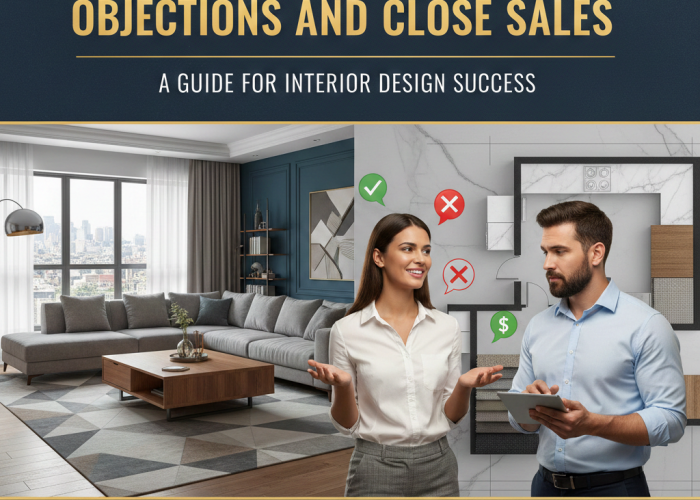
When you’re searching for an interior design company in Jharsuguda or any architects in Jharsuguda, one thing becomes clear: choosing the right partner for your house interior design project is a significant decision.
At R-Angle Innovations, we understand that client concerns are natural, and since our incorporation in 2019, we’ve mastered the art of turning objections into opportunities.
Understanding Sales Objections in Interior Design
Sales objections aren’t roadblocks—they’re invitations to provide more information and build trust. Research shows that sellers who successfully address buyer concerns achieve close rates as high as 64%. For interior design professionals and clients alike, understanding this dynamic transforms the consultation process.
Interior design architecture involves substantial investment, both financial and emotional. When clients raise concerns about pricing, timelines, or design choices, they’re actually demonstrating engagement with your project. As sales expert Bo Bennett notes, “A sales objection is not a rejection; it is simply a request for more information.”
Common Objections in Interior Design Projects
Budget and Pricing Concerns
Price objections are among the most frequent in home decor ideas and renovation projects. Clients often express concerns like “This seems expensive” or “I found someone cheaper.” These statements rarely reflect the complete picture.
The reality is that interior design pricing encompasses years of expertise, access to quality materials, project management skills, and industry connections that deliver long-term value. When discussing budgets, transparency about what clients receive for their investment builds confidence.
Timeline Worries
Project duration concerns arise frequently. Clients worry about delays, disruptions to their daily lives, and extended timelines. For house interior design projects, setting realistic expectations while demonstrating your project management capabilities addresses this objection effectively.
Industry experts recommend acknowledging that delays can occur while emphasizing your team’s expertise in managing challenges. This balanced approach reassures clients without making unrealistic promises.
Design Preference Conflicts
Sometimes clients bring ideas that don’t align with their stated goals or the project’s overall vision. Interior designers must navigate these situations tactfully, validating the client’s input while guiding them toward solutions that serve their ultimate objectives.
Trust and Expertise Questions
Particularly for first-time clients working with an interior design company in Jharsuguda, establishing credibility is essential. Questions about your experience, process, or ability to deliver results indicate the client needs reassurance.
The LAER Method: A Proven Framework
The LAER method, developed by Carew International, provides a structured approach to objection handling that works exceptionally well for interior design sales:
- Listen: Give clients your complete attention. Active listening means fully focusing on what they’re saying, understanding the emotions and concerns behind their words. Avoid interrupting or formulating responses while they’re still speaking.
- Acknowledge: Validate their concerns genuinely. Statements like “I understand that budget is an important consideration” or “I appreciate you sharing your concerns about the timeline” demonstrate empathy and build rapport.
- Explore: Ask open-ended questions to understand the root cause. Instead of yes/no questions, try: “Can you tell me more about what specifically concerns you about the pricing?” or “What would your ideal timeline look like?”
- Respond: Provide tailored solutions based on the information gathered. Your response should directly address their specific concern with relevant examples, alternatives, or clarifications.
The Four Ps of Effective Objection Handling
Another proven framework involves four key principles:
- Pause: Take a moment before responding. This shows respect and prevents knee-jerk reactions that might miss the real issue.
- Probe: Dig deeper with thoughtful questions. Often, the first objection masks underlying concerns that need addressing.
- Provide: Offer a personalized response that specifically addresses their situation, not a generic script.
- Prove: Back up your claims with evidence—portfolio examples, client testimonials, case studies, or data demonstrating successful project outcomes.
Interior Design-Specific Techniques
Acknowledge and Redirect
When clients present design ideas that conflict with project goals, start by acknowledging their effort: “I can see you’ve put thought into this color selection.” Then explain your professional perspective: “This shade might come across more neutral than the vibrant, energetic feel we discussed for your space.”
The Feel-Felt-Found Method
This time-tested approach works particularly well for home decor ideas discussions: “I understand how you feel about the investment. Many clients have felt the same way initially. However, they found that the quality materials and expert execution provided value that lasted for years, actually saving money compared to cheaper alternatives that needed replacement.”
Visual Proof
For interior design architecture projects, leverage visual tools extensively. 3D renderings, mood boards, and before-after photos help clients visualize transformations and overcome hesitation better than words alone.
Anticipate Objections Proactively
Top-performing architects in Jharsuguda don’t wait for objections—they address them preemptively. During initial consultations, acknowledge common concerns: “Many clients initially worry about project timelines. Let me explain our project management process and how we keep you informed every step of the way.”
Building Trust Through Transparency
Trust forms the foundation of successful interior design relationships. At R-Angle Innovations, our turnkey approach means clients have a single point of contact from design through execution, eliminating coordination headaches.
Transparency about pricing, processes, and potential challenges establishes credibility. Detailed Bills of Quantity (BOQ) provide clarity, while open communication about material sourcing, trade discounts, and design rationale builds confidence.
Handling Specific Objection Scenarios
“You’re Too Expensive”
Explore the underlying concern. Is it truly about budget, or about perceived value? Discuss the long-term benefits of quality materials and professional execution. Present alternative options that maintain design integrity while adjusting costs. Break down pricing to show exactly what they’re receiving.
“I Need to Think About It”
Respect their process while maintaining momentum. Ask specific questions: “What aspects would you like more information about?” or “When would be a good time to discuss any questions that come up?” Schedule a follow-up rather than leaving things open-ended.
“I Saw This Design Elsewhere”
Use this as an opportunity to understand their preferences better. Explore what specifically appeals to them, then explain how you can incorporate those elements while creating something unique to their space and needs.
Closing the Sale with Confidence
After addressing objections, guide clients toward decisions with assumptive language: “When would you like to schedule the initial design phase?” rather than “Would you like to proceed?”
Be direct yet respectful. If hesitation remains, ask: “Is there anything else you need to feel confident moving forward?” This demonstrates your commitment to their satisfaction while keeping the conversation progressing.
Creating a Follow-Up Strategy
Not all sales close in the first meeting. Strategic follow-up keeps your interior design company in Jharsuguda top-of-mind without being pushy. Share relevant portfolio additions, industry insights, or gentle reminders of discussed solutions.
Key Takeaways for Success
- Preparation is crucial: Understand common objections in your market and prepare thoughtful responses.
- Listen actively: The real objection often differs from what’s first stated.
- Build genuine connections: Interior design is personal—clients are trusting you with their homes.
- Provide evidence: Portfolio examples, testimonials, and detailed proposals reinforce your capabilities.
- Stay solution-focused: Every objection presents an opportunity to demonstrate value and problem-solving skills.
- Maintain professionalism: Handle objections with empathy and confidence, never defensively.
Frequently Asked Questions
Q: How do I respond when clients say they found a cheaper option? A: Acknowledge that cheaper options exist, then focus on differentiating value. Discuss what’s included in your pricing—expertise, quality materials, project management, warranties, and long-term durability. Ask what factors beyond price are important to their decision.
Q: What if clients don’t see the need for professional interior design? A: Ask open-ended questions about their space challenges, lifestyle needs, and goals. Help them visualize how professional design solves problems they might not have articulated yet—better space utilization, increased home value, or improved functionality.
Q: How should I handle clients who want to use their own contractors? A: Explain the benefits of your turnkey approach—single-point accountability, coordinated timelines, quality control, and streamlined communication. Share examples of how this approach has benefited past clients. If they remain firm, consider whether a design-only service fits your business model.
Q: What’s the best way to address concerns about project delays? A: Set realistic expectations upfront about typical timelines and factors that influence them. Share your project management process and how you handle unforeseen challenges. Provide regular updates throughout the project to maintain confidence.
Q: How can I build trust with first-time clients? A: Share your portfolio, certifications, and client testimonials. Provide detailed proposals with transparent pricing. Explain your process step-by-step. Offer references from previous clients. Demonstrate industry knowledge and professionalism in every interaction.
Your Next Steps with R-Angle Innovations
At R-Angle Innovations, we’ve been transforming spaces across Jharsuguda and Odisha since 2019, combining innovative interior design architecture with exceptional execution. Our turnkey approach means you have a trusted partner managing every detail of your house interior design project.
Whether you’re exploring home decor ideas for a single room or planning a complete renovation, our team brings expertise, creativity, and proven project management to every engagement. We understand that choosing among architects in Jharsuguda requires confidence in your partner’s capabilities.
Ready to Transform Your Space?
Don’t let objections or concerns hold you back from creating the home or commercial space you envision. Schedule a consultation with our design team to discuss your project, explore possibilities, and get transparent answers to all your questions.
Contact R-Angle Innovations today:
- Discover how our award-winning design team can bring your vision to life
- Get detailed project estimates with complete transparency
- Review our portfolio of successful residential and commercial projects
- Experience the difference of working with Odisha’s trusted interior design partner
Your dream space is closer than you think. Let’s turn your vision into reality—reach out to R-Angle Innovations now and take the first step toward exceptional interior design that exceeds expectations.
R-Angle Innovations – Transforming Spaces, Building Relationships Since 2019