Solving the Humidity Challenge: Interior Design Materials That Work Best in Bhubaneswar's Tropical Climate
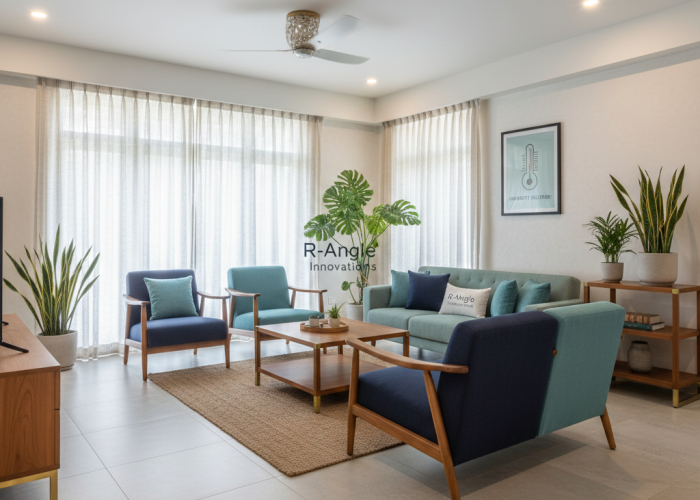
Bhubaneswar’s tropical climate is beautiful — with lush greenery and monsoon rains. But the high humidity that comes with it can create challenges for interiors: moisture buildup, mold growth, warped wood, and discomfort in living spaces. For homeowners in Bhubaneswar, finding design solutions that look great and perform well in humidity is vital.
This is where thoughtful interior design meets local climate expertise. As one of the leading Interior Design Bhubaneswar firms, R-Angle Innovations helps homeowners choose the right materials, finishes, and layout strategies to keep homes stylish, durable, and comfortable — even in the humid months.
Let’s explore materials and design ideas that work best in Bhubaneswar’s tropical climate — backed by real world standards and interior principles.
Understanding Bhubaneswar’s Tropical Humidity
Bhubaneswar experiences a tropical savanna climate with a long monsoon season and high humidity levels, often between 70-90%, especially in summer and post-monsoon months. High humidity indoors can lead to moisture-sensitive problems like mold, damp walls, and furniture damage if not managed properly.
With climate-aware interior design and material choices, your home can stay fresh, healthy, and stylish year-round.
Smart Flooring Materials for Humid Homes
Best flooring options for humidity:
- Tiles: Ceramic and porcelain tiles are excellent choices for humid environments. They don’t absorb moisture and are easy to clean — perfect for Bhubaneswar’s rainy season and heat.
- Vinyl Planks: Modern luxury vinyl flooring resists moisture better than traditional wood and provides aesthetic flexibility.
- Polished Concrete: Durable and moisture-resistant, concrete floors are a great contemporary option for humid regions.
These flooring choices not only handle humidity well, but also help maintain cool temperatures inside the home — ideal for Bhubaneswar’s tropical heat.
Wall Materials That Breathe
Moisture can penetrate walls and cause peeling or mold if not treated properly.
Effective wall solutions:
- Moisture-Resistant Plasters: Lime-based plaster is breathable and helps regulate indoor humidity, reducing dampness.
- Moisture-Resistant Panels: Designed for humid climates, these panels protect interior surfaces while offering flexible design options.
- Water-Resistant Paints: Acrylic latex paints with mold inhibitors keep walls looking fresh and reduce damp spots.
Walls that “breathe” help maintain a healthy indoor atmosphere — especially important in monsoon seasons.
Engineered Wood & Wood Alternatives
Traditional solid wood is beautiful, but in humid climates it can absorb moisture and warp.
Better options include:
- Engineered Wood: Designed with layered construction, it resists moisture expansion better than solid wood.
- PVC & Composite Panels: These materials mimic wood aesthetics without moisture issues.
- Powder-Coated or Anodized Aluminum: Ideal for doors and windows to avoid rust and swelling.
Engineered wood and composites give you natural warmth without the maintenance concerns of raw timber.
Moisture-Resistant Fabrics for Interiors
In humid climates, fabrics can easily attract mold and damp smells. That’s why choosing the right textiles is key — especially for curtains, cushions, and upholstered furniture.
Best fabric choices:
- Sunbrella & Performance Fabrics: Designed to resist moisture and fading — perfect for humid interiors.
- Cotton & Linen Blends: Breathable natural fibers that dry quickly.
- Fade-Resistant Outdoor Fabrics: Great for balcony seating or humid rooms with ventilation.
Choosing moisture-smart fabrics keeps your home looking fresh and comfortable throughout the year.
Ceiling & Ventilation Design Strategies
Humidity control isn’t just about materials — it’s also about airflow and design.
Ideas to enhance ventilation:
- Ceiling Fans & Airflow: Position fans to encourage cross-ventilation.
- Ventilation Louvers: Help stale air exit and fresh air enter.
- High Ceilings: Allow air to circulate better, reducing humidity build-up.
- Bathroom & Kitchen Exhausts: Pull moisture out at the source.
Homes that breathe feel healthier and more comfortable in a humid climate.
Kitchen Surfaces That Withstand Moisture
Kitchens are high-activity zones where moisture and humidity combine — especially with pots boiling and steam everywhere.
Kitchen material picks for Bhubaneswar:
- Granite & Quartz Countertops: Non-porous and stain-resistant.
- Ceramic or Glass Backsplashes: Easy-to-clean and moisture-proof.
- Stainless Steel Appliances: Corrosion-resistant and long-lasting.
Thoughtful material choices ensure your kitchen stays functional and beautiful.
Bathroom Materials for Humid Climates
Bathrooms experience the highest humidity — so they need the most durable materials.
Bathroom solutions:
- Anti-Skid Tiles: Safer and moisture-capable flooring.
- Water-Resistant Grout & Sealants: Prevent water seepage and mold.
- Moisture-Proof Cabinets: Avoid warped wood by using engineered panels.
These solutions keep bathrooms hygienic and low maintenance.
Indoor Greenery That Helps Air Quality
Plants like snake plants, peace lilies, and areca palms thrive in humid climates and improve indoor air quality. Natural elements balance humidity and bring freshness indoors.
AC & Dehumidifier Integration
For maximum comfort, pairing air conditioning with dehumidifiers helps reduce indoor humidity to comfortable levels during monsoon and summer months.
- Use dehumidifiers in high-moisture areas.
- Position ACs strategically to circulate cool, dry air.
Climate-aware HVAC planning improves living conditions in humid weather.
FAQs
1. What makes Bhubaneswar’s climate unique for interior design?
Bhubaneswar has a tropical climate with high humidity and monsoon rains that influence material durability and comfort. Design must account for moisture resistance, airflow, and mold prevention.
2. Are tiles better than wood flooring in Bhubaneswar?
Yes — ceramic or porcelain tiles are more moisture-resistant and low-maintenance than traditional wood in high-humidity climates.
3. Can engineered wood be used in humid homes?
Yes. Engineered wood resists expansion and contraction due to moisture better than solid wood, making it suitable for humid climates.
4. How do performance fabrics help in humidity?
Moisture-resistant fabrics like Sunbrella are designed to resist mold and retain appearance even in humid conditions.
5. Do interior designers consider airflow when planning homes?
Yes. Designers plan high ceilings, cross-ventilation, and mechanical exhausts to improve airflow and reduce humidity indoors.
Call-to-Action
🌿 Ready to Make Your Home Humidity-Smart?
For expert solutions tailored to Bhubaneswar’s tropical climate, trust R-Angle Innovations — one of the Best Interior Design Companies in Bhubaneswar offering full-service interior design and execution.
Looking for:
✔ Interior Design Bhubaneswar
✔ Best Interior Design in Bhubaneswar
✔ Best Interior Designer in Bhubaneswar
✔ Home Interior Designers in Bhubaneswar
👉 Visit: rangleinnovations.in
👉 Book your free design consultation today and build a home that looks great and thrives in Bhubaneswar’s tropical humidity.