
Cultural pride: homes celebrating Odia heritage through design
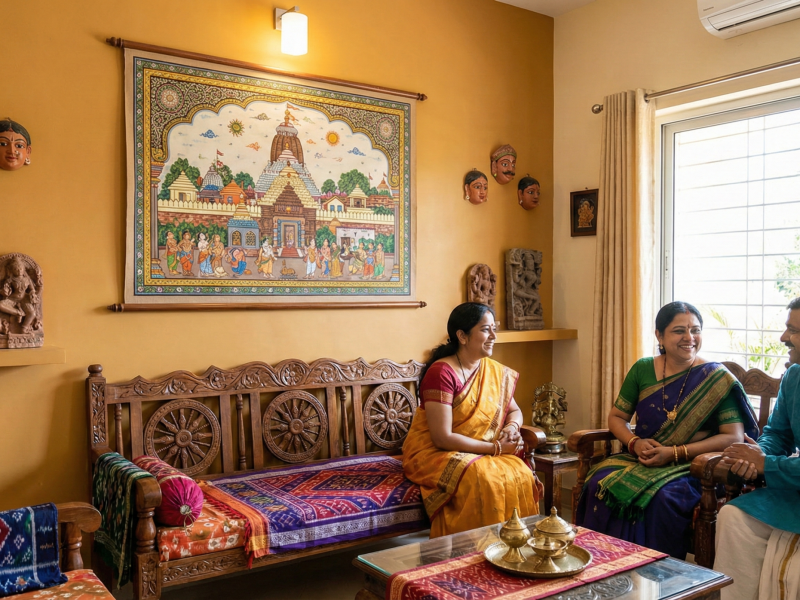
Odisha, once known as Utkala as mentioned in India’s National Anthem, carries a rich cultural history spanning thousands of years. From the majestic Kalinga architecture of the Konark Sun Temple to the intricate patterns of Sambalpuri Ikat textiles, the state’s artistic heritage offers endless inspiration for contemporary interior design.
At R-Angle Innovations, we specialize in Interior Design Services that honor this magnificent legacy while creating spaces perfectly suited for modern living.
Celebrate Odia heritage with authentic Interior Design Services. R-Angle Innovations offers expert guidance from Top Interior Designers near me to transform your home with traditional Odisha aesthetics. Find the Best Interior Designers Near Me.
The Foundation of Kalinga Architectural Heritage
Odisha’s architectural identity emerged through Kalinga architecture, a distinctive style that flourished between the 6th and 16th centuries. This tradition represents one of India’s most distinguished sculptural lineages, with temples serving as living museums of artistic excellence.
The Jagannath Temple in Puri and Lingaraja Temple in Bhubaneswar exemplify Kalinga architecture, while the Konark Sun Temple stands as a UNESCO World Heritage Site, designed as a colossal chariot with seven horses and twenty-four wheels.
Key Characteristics of Kalinga Architecture:
- Pyramid-shaped towers called vimanas featuring intricate stone carvings
- Superstructures divided into three parts: Bada (Lower Limb), Gandi (Body), and Cula/Mastaka (Head)
- Four essential temple components: Deul (sanctum), Jagamohan (audience hall), Nat Mandir (dancing hall), and Bhog Mandap (offering hall)
- Precise geometric calculations ensuring long-term stability
- Integration of astronomical elements, with structures aligned to celestial movements
These architectural principles translate beautifully into modern home design through proportional planning, symbolic elements, and attention to spatial harmony.
Vernacular Architecture: Climate-Responsive Design Wisdom
Traditional Odishan homes demonstrate sophisticated environmental adaptation developed over generations. Vernacular architecture in Odisha represents time-tested responses to local climatic conditions, offering valuable lessons for sustainable contemporary design.
Traditional Design Elements Include:
- Sloped thatch roofs with Attu (mud ceiling with bamboo or timber rafters)
- Kadi Baraga roof systems using timber beams and rafters
- Courtyard-based layouts encouraging natural ventilation and social interaction
- Stone walls and gable roofs on wood or bamboo frames
- Porous construction materials allowing hot air circulation for natural cooling
- Rainwater harvesting through strategically sloped roofs feeding tanks or ponds
The courtyard design, central to traditional Odishan homes, creates microclimates while serving as gathering spaces for families. Modern interpretations incorporate atriums, light wells, or open-plan spaces that maintain this connection between indoors and outdoors.
Sambalpuri Ikat: Textiles That Tell Stories
Sambalpuri Ikat represents one of Odisha’s most prized handloom traditions, gaining international recognition when late Prime Minister Indira Gandhi wore these textiles during political occasions in the mid-1980s. This textile art uses the double ikat weaving technique, where threads are tied and dyed before weaving, creating intricate patterns embedded into the fabric itself.
Incorporating Sambalpuri Textiles in Interior Design:
- Window Treatments: Use Sambalpuri fabrics for curtains and drapes featuring traditional motifs like shankha (conch shell), chakra (wheel), and phula (flowers)
- Upholstery and Cushions: Cotton Sambalpuri textiles are breathable and suitable for Odisha’s climate, perfect for cushion covers and furniture upholstery
- Table Runners and Wall Hangings: Display geometric patterns and symbolic motifs as decorative focal points
- Partition Screens: Create room dividers using Sambalpuri fabric panels
- Bedding Accents: Incorporate throws and bedspreads in vibrant colors
Sambalpuri fabrics are increasingly being adapted for modern uses beyond traditional attire, including home décor applications. The tie-and-dye process creates unique, vibrant designs that resist wear and tear, making them practical for everyday use.
Pattachitra Art: Sacred Stories on Your Walls
Pattachitra painting traces its origins to the 12th-century Jagannath Temple in Puri. The word derives from Sanskrit: Patta (cloth) and Chitra (painting). This traditional art form features meticulous linework, mythological storytelling, and distinctive characteristics including stylized figures, large expressive eyes, and elaborate costumes.
Design Applications for Pattachitra:
- Feature Wall Art: Create gallery walls with Pattachitra paintings depicting Jagannath, Radha Krishna, or Dashavatar themes
- Framed Artworks: Use traditional Pattachitra as focal points in living rooms, prayer rooms, or entryways
- Decorative Panels: Incorporate smaller Pattachitra pieces in bedroom or study areas
- Pattachitra Houses: Rural communities feature traditional artwork painted directly on walls and ceilings, inspiring modern mural applications
Pattachitra uses natural colors derived from minerals, stones, and vegetables, giving them unique earthy charm. The main colors—yellow, red, blue, green, white, and black—create vibrant, detailed compositions that invite cultural dialogues while celebrating India’s artistic heritage.
Brass and Bell Metal Crafts: Ancient Metallurgy Meets Modern Aesthetics
Bell metal craft in Odisha reached its zenith under the royal patronage of Ganga rulers from the 11th century onwards. The antiquity of Indian metal sculptures dates back to 360 AD, with Odisha’s craftsmen, known as Kansari, mastering the creation of an alloy combining copper and tin in approximately 4:1 ratio to produce high-quality bell metal.
Contemporary Applications of Metal Crafts:
- Dhokra Art Pieces: Display tribal-inspired brass sculptures using the lost-wax casting technique, where each mould is used only once
- Decorative Lamps: Beautiful lamp stands used during deity worship adapt perfectly for ambient lighting
- Utensil Display: Showcase traditional bell metal bowls, plates, and containers as decorative elements
- Wall Hangings: Feature Dhokra tribal dance or family scenes as artistic wall décor
- Ritual Corners: Brass artifacts including singhasana (throne) and bells for prayer spaces
It is customary in Odishan households to give bell-metal utility utensils during daughters’ marriages, as these utensils are considered family assets. This tradition reflects the cultural value placed on these handcrafted pieces.
Konark Stone Carving: Sculptural Excellence for Interior Spaces
Konark stone carving, which earned a Geographical Indication tag in March 2008, represents a sculptural tradition practiced since the 6th century. The Sun Temple at Konark exemplifies intricate and delicate stone carvings that have become emblematic of Odisha’s craftsmanship. Artisans use serpentine stone, sandstone, soapstone, and granite to create everything from deity sculptures to household decorative items.
Stone Carving in Modern Interiors:
- Entrance Elements: Place pairs of lions, horses, or elephants flanking doorways following traditional Odishan practice
- Decorative Sculptures: Display replicas of the Konark wheel, temple motifs, or dancing figures
- Functional Art: Incorporate stone-carved items like vases, bookends, and candle stands
- Garden Statuary: Use larger stone sculptures in outdoor spaces
- Architectural Details: Commission ornate gates or decorative archways for posh properties
Small Konark Chakra sculptures serve as popular souvenirs, while artisans continue creating sculptures in traditional aesthetic styles adapted for modern purposes like pen stands, center tables, or tea coasters.
Creating Authentic Puja Corners and Sacred Spaces
Traditional Odishan homes always include sacred spaces designed according to Vastu Shastra principles. Every home features a Tulsi Chaura (sacred basil plant platform), which serves as a gathering space for festivals, ceremonies, and festivities.
The Trinath Mandir, where three roads intersect depicting three phases of life—birth, workplace, and death—represents another important spiritual element.
Designing Contemporary Sacred Spaces:
- Compact Puja Corners: Use floating shelves or niche carvings for space-efficient prayer areas
- Natural Materials: Incorporate stone sculptures, brass lamps, and wooden elements
- Traditional Color Palettes: Use warm colors like maroon, royal blue, bright yellow, and emerald green inspired by Odia festivals
- Proper Lighting: Install warm LED lighting to create appropriate ambiance
- Storage Solutions: Design discreet cabinets for puja items while maintaining aesthetic appeal
Color Palettes Inspired by Odia Traditions
Indian homes frequently use bold colors inspired by nature and traditional elements. Odisha’s festivals like Nuakhai and Durga Puja influence color choices in homes, creating environments that evoke cultural nostalgia.
Authentic Odia Color Schemes:
- Temple Sandstone Hues: Warm terracottas, ochres, and sunset oranges from temple architecture
- Textile-Inspired Palettes: Vibrant combinations from Sambalpuri Ikat—emerald green, deep maroon, indigo blue, and golden yellow
- Pattachitra Colors: Primary combinations of red, yellow, blue, and green with black outlines
- Metal Accents: Brass and bronze tones as complementary highlights
- Natural Neutrals: Earthy backgrounds allowing traditional elements to shine
Sustainable Design: Learning from Vernacular Wisdom
Odisha’s vernacular architecture demonstrates remarkable sustainability principles developed through repeated cycles of trial and error over generations. These climate-responsive buildings satisfied occupants’ demands for thermal comfort and durability using locally available materials.
Sustainable Design Principles from Odia Heritage:
- Local Material Usage: Prioritize responsibly sourced wood, bamboo, stone, and clay
- Natural Ventilation: Design cross-ventilation patterns based on courtyard principles
- Water Management: Incorporate rainwater harvesting inspired by traditional systems
- Energy Efficiency: Use passive cooling techniques from vernacular architecture
- Handcrafted Elements: Support local artisan communities while reducing carbon footprint
Modern architects in Odisha are including eco-friendly elements in their designs as sustainability and environmental awareness becomes more important, while maintaining connections to cultural traditions.
Finding Expert Interior Design Services
When searching for Interior Design Companies Near Me or an Interior Designer Near Me who understands Odia heritage, choose professionals who demonstrate both cultural knowledge and contemporary design expertise.
What Top Interior Designers Should Offer:
- Deep understanding of Kalinga architectural principles
- Connections with authentic craftsmen for Sambalpuri textiles, Pattachitra art, and metal crafts
- Ability to source genuine Konark stone carvings and traditional materials
- Experience balancing heritage elements with modern functionality
- Knowledge of Vastu Shastra for sacred space design
- Portfolio demonstrating successful fusion of traditional and contemporary aesthetics
Celebrating Heritage While Embracing Modernity
The challenge and opportunity of contemporary Odishan Interior Design Services lies in honoring 2,000 years of artistic excellence while creating comfortable, functional spaces for today’s lifestyles. This requires thoughtful curation rather than overwhelming spaces with traditional elements.
Achieving Balanced Heritage Design:
- Select signature pieces that serve as focal points
- Use traditional patterns in contemporary applications
- Maintain clean lines while incorporating cultural elements
- Balance bold traditional colors with neutral backgrounds
- Mix handcrafted heritage pieces with modern furniture
- Create dedicated display areas for traditional artifacts
Frequently Asked Questions
Q1: How can I incorporate Odia heritage into a small apartment?
A: Focus on key elements like Pattachitra wall art, Sambalpuri cushion covers, a compact puja corner with brass lamps, and one statement piece like a Konark stone carving. Use traditional color palettes for accent walls. Even small spaces can honor heritage through thoughtful selection rather than quantity.
Q2: Where can I source authentic Odisha handicrafts for my home?
A: Look for artisans in clusters around Konark, Bhubaneswar, Puri, and Sambalpur. Government emporia in these cities offer authentic products. Many artisan communities now have GI (Geographical Indication) tags verifying authenticity. The Top Interior Designers with local connections can source directly from craftsmen, ensuring quality and supporting traditional artisans.
Q3: Is traditional Odishan design compatible with modern minimalist aesthetics?
A: Absolutely. Traditional Kalinga architecture emphasizes proportion, geometry, and purposeful ornamentation—principles compatible with minimalism. Use clean-lined furniture as a backdrop for carefully selected traditional art pieces. The key is selective incorporation: one stunning Pattachitra painting or a beautifully carved stone sculpture can anchor a minimalist space while celebrating heritage.
Q4: How do I maintain brass, bell metal, and stone artifacts?
A: For Dhokra brass artifacts, use soft cloth to gently remove dust. Bell metal utensils can be cleaned with tamarind paste or lemon for natural shine. Stone sculptures require minimal maintenance—dust with soft brushes and occasionally wipe with damp cloth. Avoid harsh chemicals on all traditional pieces. The slight patina that develops on brass over time is valued as authentic aging.
Q5: Can Sambalpuri textiles withstand regular use in home furnishings?
A: Yes. Sambalpuri Ikat is known to be resistant to heavy wear and tear, making it more durable than many other textiles. The cotton-based fabric ensures colors seep deeper, making it suitable for all seasons. Hand wash in cold water with mild detergent, air dry in shade, and iron on low setting. The natural dyeing process and handwoven construction contribute to longevity.
Transform Your Home with R-Angle Innovations
Are you ready to celebrate Odia heritage through exceptional Interior Design Services? R-Angle Innovations brings decades of expertise in creating homes that honor tradition while embracing contemporary living.
Why Choose R-Angle Innovations:
✓ Cultural Expertise: Deep knowledge of Kalinga architecture, traditional crafts, and authentic Odishan design principles
✓ Artisan Connections: Direct relationships with master craftsmen across Odisha for genuine Sambalpuri textiles, Pattachitra artists, stone carvers, and metal craft specialists
✓ Heritage Authentication: Guidance on sourcing GI-tagged products and verified traditional handicrafts
✓ Sustainable Practices: Implementation of vernacular architecture wisdom for energy-efficient, climate-responsive design
✓ Custom Solutions: Personalized designs balancing cultural pride with modern functionality
✓ End-to-End Service: From concept development to craftsman coordination and installation
Contact Our Top Interior Designers Today
Whether you’re building a new home or renovating your existing space, our team understands how to weave Odia heritage into every design element. We work with homeowners across Odisha and beyond who want spaces that tell their cultural story.
Ready to begin your heritage design journey? Search for “Best Interior Designers Near Me” and discover why R-Angle Innovations is trusted by families who value cultural authenticity as much as contemporary comfort.
Let us help you create a home where every room celebrates the artistic legacy of Odisha—where Kalinga architectural principles meet modern spatial planning, where Sambalpuri textiles add vibrant warmth, where Pattachitra art inspires daily life, and where traditional craftsmanship creates timeless beauty.
Experience interior design that honors your roots while embracing your future. Connect with R-Angle Innovations today for a consultation that transforms your vision into reality.